Trump Heads to Situation Room for Final Decision on Iran Ceasefire Deal as Hormuz Remains Key Issue
President Donald Trump entered the White House Situation Room on May 29, 2026, telling reporters that he was going there to make a “final determination” on a proposed agreement involving Iran, a ceasefire extension and the reopening of the strategically important Strait of Hormuz.
The moment came as U.S. and Iranian officials were negotiating the terms of a potential agreement intended to halt the fighting and establish a framework for further negotiations.
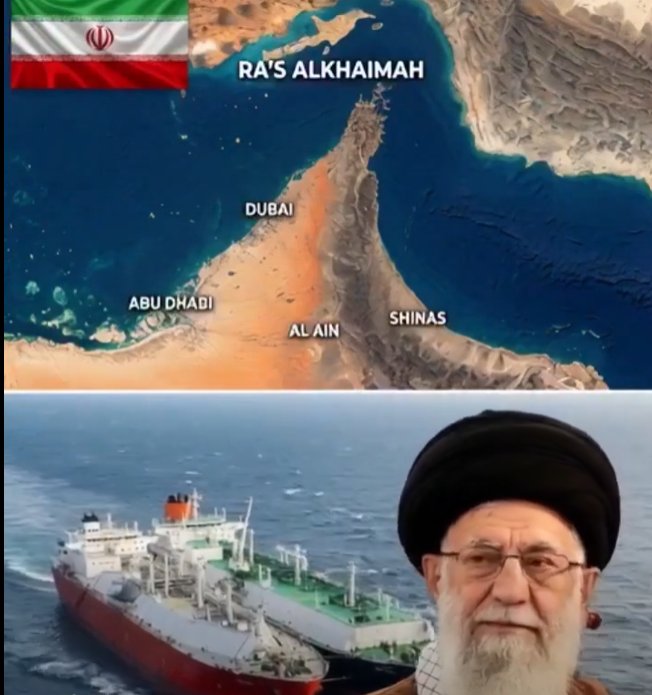
The Strait of Hormuz was one of the central issues.
The waterway is a critical route for global energy shipments, and disruptions there have significant consequences for international oil markets and commercial shipping. Under the proposed memorandum being discussed at the time, Iran would commit to facilitating safe passage for commercial vessels, while the United States would take steps toward ending its naval blockade.
Trump had indicated that reopening the strait was an important condition for any agreement.
Reuters reported at the time that Trump also insisted Iran would have to address concerns about its nuclear capabilities. Iranian officials, meanwhile, had not publicly accepted all of the conditions Trump was describing.
That uncertainty meant that the Situation Room meeting was being closely watched.
The White House meeting lasted roughly two hours. But despite Trump’s earlier description of the meeting as a moment for a “final determination,” no final decision emerged that day. The Associated Press reported that Trump had not decided whether to move forward with the agreement, while Iran said the proposed arrangement had not been finalized.
The disagreement reflected the broader difficulty of negotiating between Washington and Tehran.
The United States wanted assurances regarding Iran’s nuclear program and the security of shipping through the Strait of Hormuz. Iranian officials had their own demands, including relief from sanctions and an end to the U.S. naval blockade.
The negotiations continued in the weeks that followed.
On June 17, the two sides announced a memorandum of understanding that called for an immediate end to military operations and established a 60-day period for negotiations toward a more comprehensive final agreement. The memorandum also included provisions concerning commercial shipping through the Strait of Hormuz.
According to the text released by U.S. officials, Iran agreed to use its best efforts to facilitate safe passage for commercial vessels for 60 days, while the United States committed to removing its naval blockade on a corresponding timetable.
But the agreement did not permanently settle the dispute.
Over the following weeks, Washington and Tehran disagreed over how the memorandum should be interpreted, particularly regarding control and access in the Strait of Hormuz. The disagreement contributed to growing tensions and accusations that the terms of the ceasefire were being violated.
By August 17, the memorandum had expired.
Al Jazeera reported that the 60-day agreement had broken down amid disputes over the terms of the arrangement and the future of the Strait of Hormuz. Although full-scale fighting had been paused at that point, the broader conflict remained unresolved.
The developments show why Trump’s May 29 Situation Room meeting was significant, but also why it should not be described as the moment a final peace agreement was reached.
At the time, Trump was considering whether to approve a proposed framework. The meeting produced no final decision. A memorandum was eventually signed weeks later, creating a temporary framework for a ceasefire and further negotiations, but that arrangement ultimately expired.
As of September 23, the broader U.S.-Iran dispute remains unresolved. Recent reporting indicates that Iranian officials have again expressed willingness to reopen the Strait of Hormuz if the United States reduces military pressure and lifts its blockade, while Trump has publicly called for Iran to reopen the waterway and indicated that diplomacy could still produce an agreement.
What began with Trump’s “final determination” comment in the Situation Room therefore became part of a much longer and more complicated diplomatic process—one involving ceasefire negotiations, nuclear issues, sanctions, military pressure and the strategically vital waters of the Strait of Hormuz.