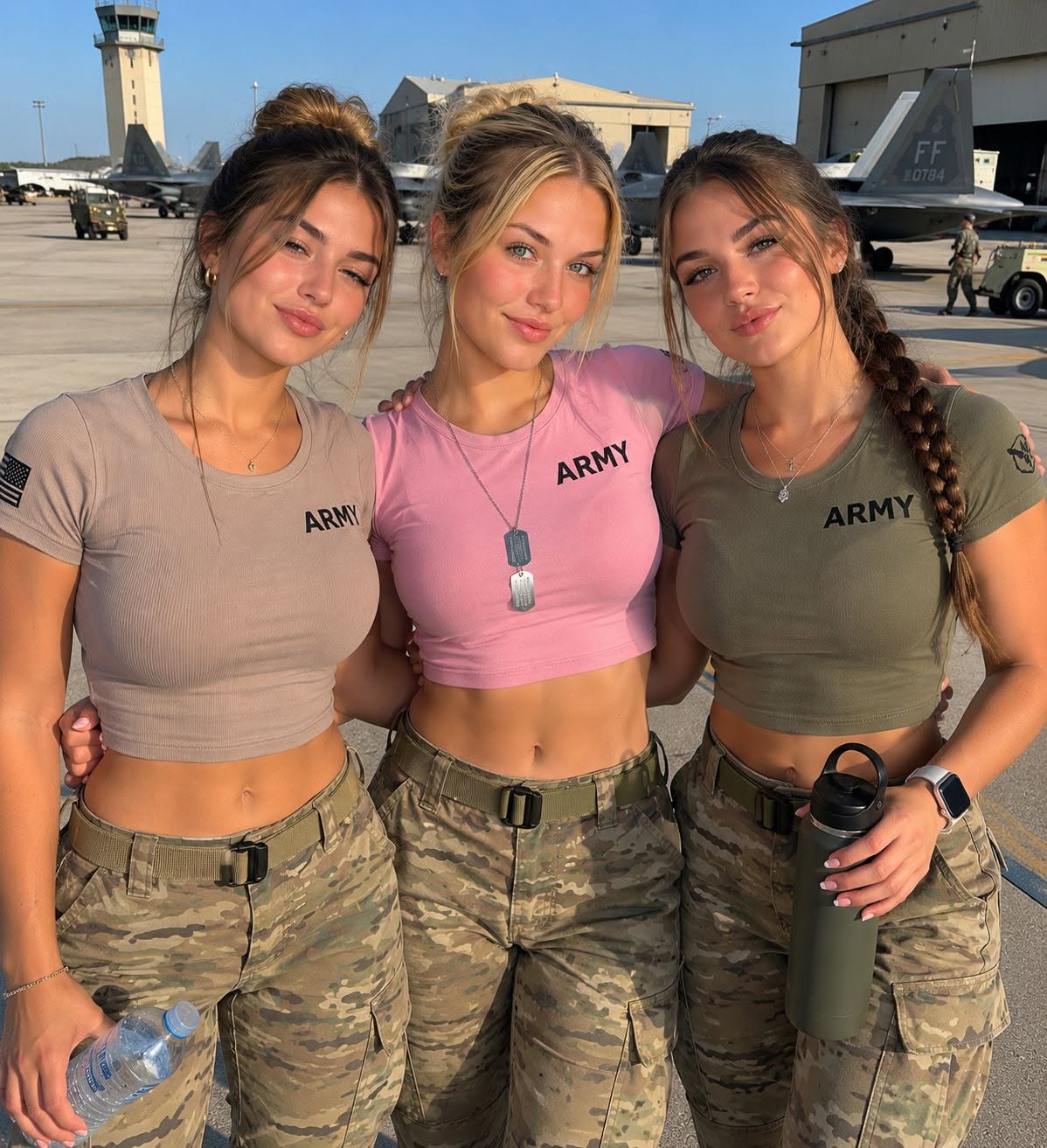
The wind howled across the mountains as the convoy crawled along the narrow dirt road.
For the soldiers inside the armored vehicles, it had already been a long deployment.
Weeks had turned into months.
The days blurred together.
Patrols.
Checkpoints.
Training exercises.
Long nights standing guard beneath cold stars.
Most of the men and women serving there had joined for different reasons.
Some wanted adventure.
Some wanted a career.
Others felt a deep sense of duty to their country.
But all of them believed they understood what military service required.
At least they thought they did.
Captain Daniel Reeves had commanded the unit for nearly a year.
He was respected throughout the battalion.
Disciplined.
Experienced.
Calm under pressure.
The type of officer soldiers trusted instinctively.
He demanded excellence from his troops, but he never asked them to do anything he wouldn’t do himself.
That was why nobody questioned him when he called an emergency briefing late one evening.
The atmosphere felt different immediately.
Reeves stood in front of a large map.
His expression was serious.
The room fell silent.
“We’ve received new intelligence,” he began.
The soldiers listened carefully.
A remote village several miles away had become trapped between rival armed groups.
Roads were blocked.
Supply routes were cut off.
Hundreds of civilians had been stranded for weeks.
Food was running low.
Medical supplies were nearly gone.
Several evacuation attempts had already failed.
The village was desperate.
One soldier raised his hand.
“So what’s the mission, sir?”
Reeves paused.
Then answered.
“The mission is to get them out.”
At first the room seemed confused.
The operation wasn’t part of their original assignment.
It would require entering dangerous territory.
It would stretch resources.
It would place the unit at significant risk.
Everyone understood the implications immediately.
Another soldier spoke.
“Sir, that’s not our sector.”
“I know.”
“Then why us?”
The captain looked around the room.
Because sometimes service means more than following the minimum requirements.
The room became silent.
Over the following hours, preparations began.
Maps were studied.
Routes were planned.
Vehicles were loaded.
Nobody knew exactly what awaited them.
They only knew people needed help.
The next morning, the convoy moved out before sunrise.
The journey proved even more difficult than expected.
Road conditions slowed progress.
Communication equipment malfunctioned.
Several times the unit received warnings about potential threats ahead.
Yet they continued moving.
Hour after hour.
Mile after mile.
Finally, shortly before sunset, they reached the village.
The sight stunned them.
Families gathered outside damaged buildings.
Children watched quietly from doorways.
Medical workers struggled with dwindling supplies.
The situation was worse than intelligence reports suggested.
Without hesitation, the soldiers got to work.
Medical teams treated the injured.
Engineers repaired essential equipment.
Others distributed food and water.
Throughout the night, evacuation plans were organized.
The operation lasted three days.
Three exhausting days.
Three dangerous days.
Three days during which the soldiers rarely slept.
Yet nobody complained.
Because they could see the difference their efforts were making.
When the final evacuation convoy departed, hundreds of civilians traveled with them toward safety.
As the vehicles pulled away, villagers lined the road.
Many waved.
Some cried.
Others simply stood quietly, watching.
The soldiers waved back.
Most never learned the names of the people they helped.
Most never appeared in headlines.
Their actions would not become famous.
But they didn’t need recognition.
On the journey home, one young private asked the captain a question.
“Sir, why did you say service means more than following orders?”
Captain Reeves smiled slightly.
Then looked out the window.
“Because anyone can do what’s required,” he replied.
“Real character appears when people choose to do what’s right, even when nobody forces them.”
Years later, many of those soldiers would forget individual patrols, training exercises, and routine assignments.
But they never forgot that mission.
Not because it was dramatic.
Not because it was dangerous.
But because it taught them something important.
Service to a country isn’t measured only by what people are ordered to do.
Sometimes it’s measured by what they’re willing to do for others when the opportunity arises.
And on that remote mountain road, their captain had asked for more than service.
He had asked for compassion.
For courage.
For humanity.
And his soldiers answered.