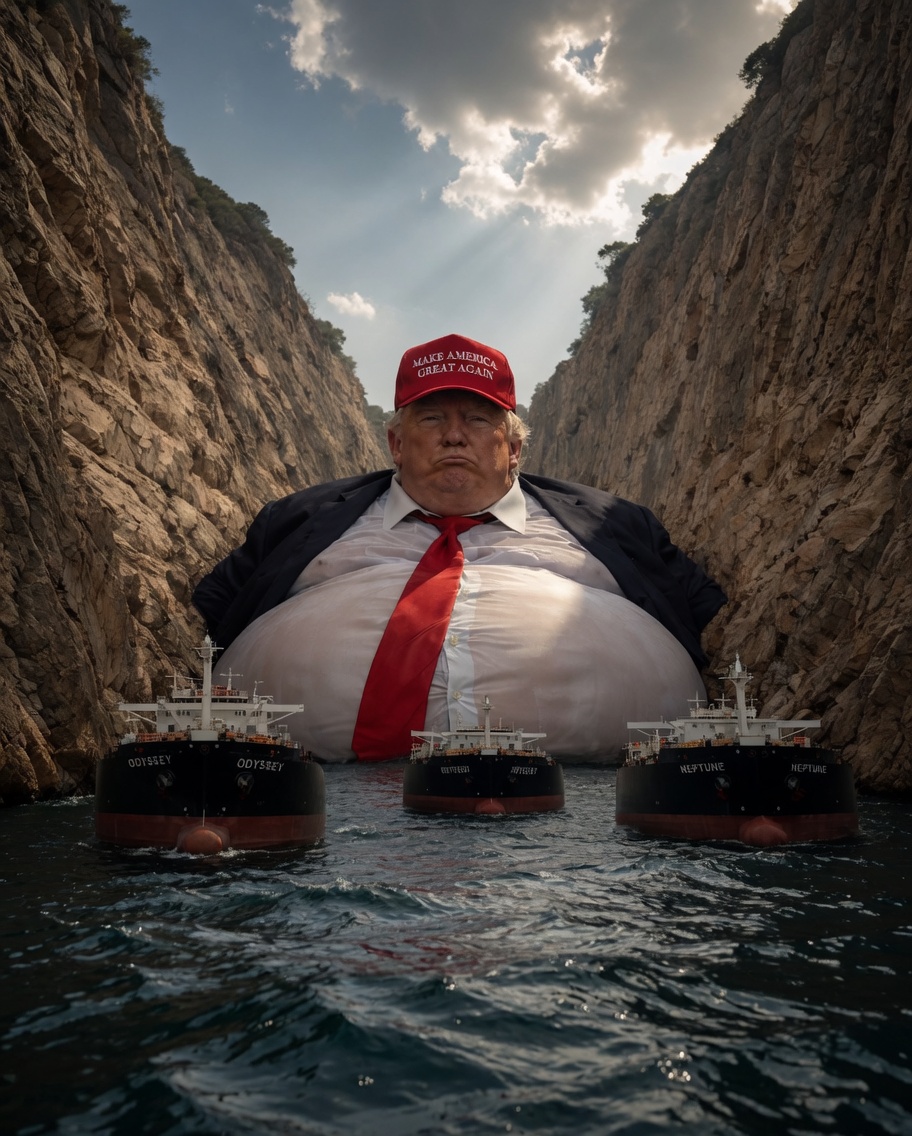
The directive marks one of the most aggressive maritime measures taken in the region in recent years, targeting a critical global shipping route through which a significant portion of the world’s oil supply passes.
According to initial reports, the blockade aims to restrict Iran’s ability to export oil and import key goods, applying economic and strategic pressure amid ongoing regional tensions. Naval assets have reportedly been positioned to monitor and potentially intercept vessels attempting to access Iranian ports.
The Strait of Hormuz is widely considered one of the most important energy corridors in the world. Any disruption in this area has immediate global implications, particularly for oil markets and international shipping. Analysts warn that even limited enforcement actions could lead to rising energy prices and increased volatility in global markets.
While U.S. officials have not publicly detailed the full scope of enforcement, experts suggest that such a blockade would involve surveillance, vessel inspections, and possible redirection of ships. The legality and implications of a full blockade are also expected to be widely debated under international law.
Iran has not yet issued a full formal response to the reported order, but past statements from officials indicate that any attempt to restrict access to its ports or territorial waters would be viewed as a serious escalation.
Global reaction is beginning to build, with governments and international organizations closely monitoring the situation. Diplomatic efforts may intensify in the coming hours as concerns grow over the potential for wider conflict.
Security analysts emphasize that actions in the Strait of Hormuz carry risks far beyond the immediate region. Even a temporary disruption can impact global supply chains, energy security, and geopolitical stability.
For now, attention remains focused on how the order will be implemented and how other nations—particularly those reliant on Gulf shipping routes—will respond.
As developments unfold, the situation is expected to remain fluid, with further updates likely as both military and diplomatic responses take shape.