Legal Dispute Over Refusal of Medical Care: A Case Involving Access, Ethics, and Professional Boundaries
Introduction
Healthcare systems around the world are built upon a combination of ethical principles, professional standards, and legal obligations that aim to ensure patients receive appropriate and timely medical care. However, complex situations sometimes arise where these principles appear to come into conflict, particularly when questions of identity, professional competence, and individual rights intersect.
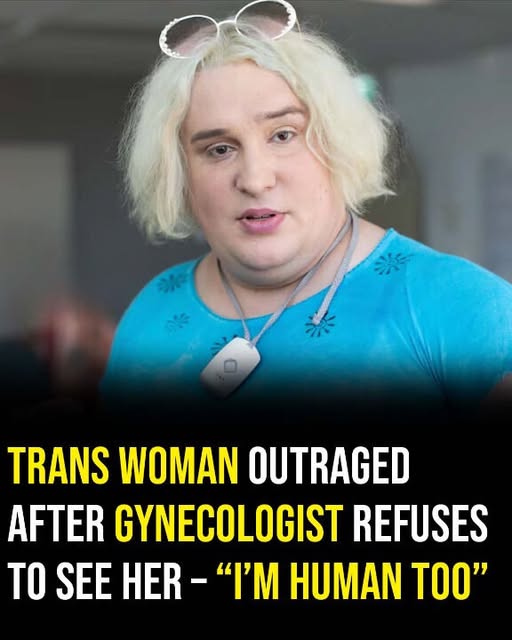
One such case involves a legal dispute in which a transgender woman brought forward a lawsuit after being denied medical treatment by a gynecologist. The situation has drawn attention to broader questions about equality in healthcare access, the discretion of medical professionals in choosing their scope of practice, and the evolving discussions surrounding inclusivity in medical services.
At the center of this matter lies a disagreement between a patient who believes she was unfairly denied care on the basis of identity and a healthcare provider who argues that their professional practice is limited to a specific patient group and clinical expertise.
The case highlights ongoing societal debates regarding discrimination, medical ethics, and the extent to which healthcare providers are required to serve all individuals seeking treatment, regardless of background or identity.
Background of the Dispute
The dispute began when a transgender woman sought medical attention from a gynecologist. According to the patient’s account, she required medical evaluation and treatment consistent with gynecological care. However, the physician reportedly refused to provide services, stating that their practice does not include treating transgender patients and that they were not appropriately qualified or prepared to do so.
From the patient’s perspective, this refusal represented more than just a denial of service. She argued that it reflected discriminatory treatment that caused emotional distress and reinforced feelings of exclusion from healthcare systems that are intended to serve all individuals without bias.
The patient subsequently pursued legal action, claiming that the refusal amounted to unjust discrimination. Her argument centered on the principle that medical professionals, particularly those in fields associated with reproductive or sexual health, should not deny care based on personal characteristics unrelated to medical need.
The situation quickly evolved beyond a simple patient-doctor disagreement and became a broader legal and ethical question about healthcare access and equality.
The Patient’s Position and Concerns
The transgender woman involved in the case asserted that she was entitled to receive appropriate medical care when seeking treatment. Her argument was rooted in the belief that healthcare is a fundamental service that should be accessible without prejudice or exclusion.
She maintained that the refusal of care was not based on clinical limitations but rather on her identity as a transgender individual. From her viewpoint, such refusal represents a form of discrimination that undermines the principle of equal treatment in healthcare environments.
In addition to the immediate denial of service, the patient also emphasized the emotional and psychological impact of the incident. Being refused care in a vulnerable medical context can contribute to feelings of rejection, stigmatization, and anxiety, particularly for individuals who may already face social challenges related to identity or acceptance.
Her legal claim sought accountability for the alleged discrimination and aimed to bring attention to broader systemic issues in healthcare access for transgender individuals. The case was positioned not only as a personal grievance but also as a reflection of wider concerns about inclusivity in medical practice.
The Physician’s Response and Justification
The gynecologist involved in the dispute presented a different interpretation of the situation. The physician maintained that their medical practice is primarily focused on treating biological women and that they do not have the necessary training or experience to provide care to transgender patients in a safe or appropriate manner.
From this perspective, the refusal was not intended as discriminatory but rather as a professional judgment regarding scope of practice and clinical competence. The physician argued that medical professionals have a responsibility to ensure that they only provide care within areas where they are adequately trained and confident in delivering safe treatment.
The doctor’s position also reflects a broader principle in healthcare: practitioners are expected to operate within the boundaries of their expertise. When a case falls outside of that scope, physicians may refer patients to specialists who are better equipped to address their needs.
In this context, the gynecologist’s refusal was framed as a matter of medical appropriateness rather than personal bias. The physician suggested that treating patients outside their intended scope could potentially lead to inadequate care or unintended medical complications.
This defense highlights a central tension in modern healthcare: balancing the rights of patients to access care with the rights of providers to define the limits of their professional practice.
Legal Questions Raised by the Case
The dispute raises several important legal considerations, particularly around anti-discrimination law and healthcare obligations.
One of the central legal questions is whether a healthcare provider’s refusal to treat a patient based on their transgender identity constitutes unlawful discrimination. In many jurisdictions, laws exist that prohibit discrimination in healthcare settings, particularly when services are offered to the general public.
However, these laws are often interpreted alongside professional regulations that allow physicians discretion in determining their scope of practice. This creates a gray area in cases where a provider claims that a refusal is based on medical competence rather than identity.
Another legal issue concerns the definition of appropriate medical care. Courts may need to consider whether gynecological services inherently include care for transgender patients, or whether providers can limit their practice to specific patient groups based on training, experience, or personal conviction.
Additionally, the case touches on the concept of emotional harm. The patient’s claim includes psychological distress resulting from the denial of care, raising questions about whether such harm is legally compensable in cases involving medical service refusal.
Ultimately, the legal outcome depends on how courts interpret the balance between anti-discrimination protections and professional autonomy in healthcare.
Medical Ethics and Professional Responsibility
Beyond legal considerations, the case also brings forward important ethical questions within the medical profession.
Medical ethics generally emphasize principles such as beneficence, non-maleficence, justice, and respect for persons. These principles guide healthcare providers in delivering fair and appropriate treatment to all patients.
The principle of justice is particularly relevant in this case, as it relates to fairness and equal access to healthcare services. Ethical frameworks often suggest that patients should not be denied care based on personal identity characteristics that are not directly relevant to their medical condition.
At the same time, the principle of non-maleficence—avoiding harm—supports the idea that healthcare providers should only offer treatments they are competent to perform. If a physician believes they lack the necessary training or experience to treat a particular patient safely, they may consider it ethically appropriate to decline and refer the patient elsewhere.
This creates an ethical tension: the obligation to provide equitable care versus the obligation to ensure safe and competent treatment.
Professional medical organizations often encourage inclusive care and continuing education to address gaps in provider knowledge, particularly as patient populations become increasingly diverse.
Broader Debate on Inclusivity in Healthcare
The case has contributed to ongoing discussions about inclusivity in healthcare systems. As society becomes more aware of gender diversity, healthcare institutions are increasingly expected to adapt their services to meet the needs of all individuals.
For transgender patients, access to respectful and competent medical care is often highlighted as a significant concern. Many advocates argue that healthcare providers should receive additional training to ensure they can address the specific needs of transgender individuals without bias or misunderstanding.
On the other hand, some healthcare professionals express concerns about mandatory inclusion policies that may conflict with personal beliefs or professional boundaries. They argue that forcing providers to treat patients outside their comfort or expertise could negatively impact both patients and practitioners.
This debate reflects a broader societal conversation about how healthcare systems should balance inclusivity with professional autonomy.
Impact on Healthcare Policy Discussions
Cases like this often influence discussions around healthcare policy and regulation. Policymakers may consider whether clearer guidelines are needed to define obligations for healthcare providers when treating transgender patients.
Potential policy responses could include:
Expanded training requirements for medical students and professionals
Clearer anti-discrimination regulations in healthcare settings
Referral protocols for cases outside a provider’s expertise
Guidelines on culturally competent care for diverse patient populations
Such policies aim to reduce ambiguity and ensure that patients are not left without access to appropriate medical services, while also supporting physicians in making informed clinical decisions.
Social and Cultural Implications
Beyond legal and medical frameworks, the dispute also reflects broader social and cultural dynamics. Healthcare is not only a technical service but also a deeply human interaction shaped by trust, communication, and mutual respect.
For many individuals, especially those from marginalized communities, interactions with healthcare systems can significantly influence their sense of dignity and inclusion in society. Incidents perceived as discriminatory may reinforce mistrust in medical institutions and discourage individuals from seeking care in the future.
At the same time, healthcare providers operate within complex systems that require them to make judgment calls about patient safety, resource availability, and professional limits.
The intersection of these realities creates a challenging environment in which misunderstandings and conflicts can arise.
Potential Long-Term Consequences
The outcome of this type of legal dispute may have implications beyond the individuals involved. Depending on how such cases are resolved, they may influence future interpretations of discrimination law in healthcare settings.
If courts determine that refusal of care in similar circumstances constitutes unlawful discrimination, healthcare providers may be required to adjust their practices, documentation, and referral systems.
Alternatively, if professional discretion is prioritized, it may reinforce the ability of physicians to define the scope of their patient base, provided decisions are based on clinical reasoning rather than personal bias.
Either outcome could significantly shape how healthcare systems approach inclusivity, training, and patient rights in the future.
Conclusion
This legal dispute between a transgender woman and a gynecologist reflects a complex intersection of healthcare ethics, patient rights, professional responsibility, and legal interpretation. At its core, the case raises important questions about how societies define equal access to medical care and how healthcare professionals determine the boundaries of their practice.
The patient’s perspective emphasizes the importance of non-discrimination and equal treatment in healthcare environments, highlighting the emotional and social consequences of being denied care. The physician’s perspective underscores the importance of medical competence and the right of professionals to operate within their areas of expertise.
As discussions around inclusivity in healthcare continue to evolve, cases like this serve as catalysts for deeper examination of how medical systems can balance fairness, safety, and professional autonomy.
Ultimately, the broader significance of this dispute lies not only in its legal outcome but in its contribution to ongoing dialogue about how healthcare can be made both equitable and professionally responsible in an increasingly diverse society.