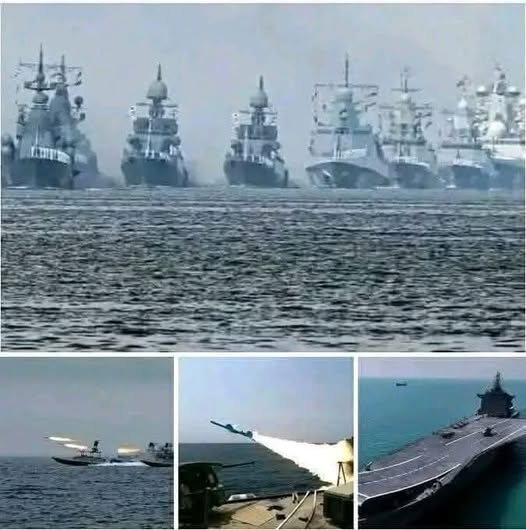
Global Security Update: A Clearer Perspective on the United States’ Role in Today’s International Landscape
In recent days, conversations across social media platforms, online forums, and digital news spaces have sparked widespread speculation about whether the United States has entered a new war. Headlines and viral posts have used dramatic language, often suggesting that global tensions have escalated into a full-scale conflict. However, when examined through verified reports and credible sources, the situation appears far more nuanced and less alarming than some narratives suggest.
Rather than signaling the outbreak of a formally declared war, current developments point to a multifaceted combination of military preparedness, ongoing operations, and active diplomatic engagement. To understand what is truly happening, it is essential to separate emotional reactions from factual analysis and to recognize how modern geopolitics operates in a rapidly evolving global environment.
Understanding the Difference Between War and Strategic Engagement
One of the most important distinctions to make is the difference between a formally declared war and ongoing strategic military activity. Historically, wars were clearly defined events, typically announced through official declarations and followed by large-scale mobilization of troops and resources. These conflicts were often prolonged, with clearly identified opponents and battlefronts.
In contrast, modern international relations rarely follow this traditional model. Today, countries engage in more targeted, limited operations that are designed to address specific threats or objectives. These actions may involve military presence, intelligence coordination, or coalition-based missions, but they do not necessarily constitute a full-scale war.
For the United States, this shift is not new. For decades, its international involvement has been shaped by congressional authorizations, international agreements, and strategic alliances rather than formal war declarations. This reflects broader changes in global security dynamics, where threats are often more complex and less defined than in the past.
Ongoing Diplomatic Efforts in Eastern Europe
One of the most closely monitored global situations continues to be the conflict between Russia and Ukraine. While fighting remains ongoing, recent developments highlight that diplomacy is still very much in play.
Officials from the United States, Russia, and Ukraine have participated in discussions aimed at managing tensions and exploring possible pathways toward resolution. These talks, hosted in a neutral setting, demonstrate that even during active conflict, communication between parties remains open.
Diplomatic engagement in such circumstances is not unusual. In fact, it is considered a critical component of international relations. Maintaining dialogue allows countries to reduce misunderstandings, prevent unintended escalation, and identify opportunities for compromise.
It is important to understand that the presence of diplomatic talks does not indicate the beginning of a new conflict. On the contrary, it often signals an effort to contain existing tensions and avoid further deterioration of the situation.
The United States and Iran: Balancing Tension with Dialogue
Another key area of focus in global security discussions is the relationship between the United States and Iran. This relationship has experienced periods of heightened tension, often accompanied by strong rhetoric and strategic maneuvering.
Recently, however, both sides have taken steps toward renewed dialogue through indirect negotiations. These discussions, facilitated by a third-party nation, have been described by officials as constructive and indicative of a willingness to reduce friction.
This approach reflects a broader diplomatic strategy that combines readiness with restraint. While maintaining military capabilities is an essential aspect of national defense, diplomacy remains a primary tool for preventing conflict and promoting stability.
Engaging in dialogue does not imply weakness. Instead, it demonstrates a recognition that long-term security is often best achieved through communication, negotiation, and mutual understanding.
How Modern Military Operations Have Evolved
To fully grasp the current situation, it is helpful to examine how military operations have evolved over time. Unlike the large-scale wars of the 20th century, today’s military actions are often more precise and limited in scope.
Modern operations typically focus on specific objectives, such as counterterrorism efforts, protecting strategic interests, or supporting allied nations. These missions are often conducted in coordination with international partners and may involve a combination of military, intelligence, and technological resources.
Additionally, such operations are frequently authorized through legislative or executive measures rather than formal war declarations. This reflects both legal frameworks and the practical realities of responding to rapidly changing threats.
As a result, the presence of military activity does not necessarily equate to the existence of a new war. Instead, it may represent a strategic response to ongoing challenges within a complex global environment.
Domestic Security and Its Broader Implications
While much attention is focused on international developments, domestic security also plays a significant role in shaping national policy. Events occurring within the United States can influence public perception, policy decisions, and overall security planning.
Recent incidents in certain regions have highlighted how local issues can intersect with national concerns. Although these situations are typically handled by local or state authorities, they can still contribute to broader discussions about safety, preparedness, and resilience.
Government agencies continue to monitor such developments closely, ensuring that responses are measured and appropriate. The goal is to maintain public safety while avoiding unnecessary escalation or alarm.
The Impact of Misinformation in the Digital Age
One of the major challenges in understanding global events today is the rapid spread of misinformation. Social media platforms allow information—both accurate and inaccurate—to circulate بسرعة and widely. As a result, complex geopolitical situations are often reduced to oversimplified or misleading narratives.
Claims that the United States has “entered a war” frequently originate from misinterpretations, incomplete information, or exaggerated reporting. These narratives can gain traction quickly, especially when they appeal to emotions such as fear or uncertainty.
Common signs of misinformation include a lack of credible sources, reliance on sensational language, and the absence of official confirmation. Recognizing these indicators is essential for anyone seeking to stay accurately informed.
Experts consistently emphasize the importance of verifying information through trusted news outlets and official statements. Taking the time to cross-check facts can help prevent the spread of false or misleading claims.
Why Diplomacy Remains Essential
Despite ongoing tensions in various regions, diplomacy continues to play a central role in maintaining global stability. Even when countries have significant disagreements, communication channels are often kept open to reduce risks and explore solutions.
Diplomatic efforts serve several key purposes. They help clarify intentions, prevent misunderstandings, and create opportunities for negotiation. In some cases, they can even lead to agreements that de-escalate conflicts or prevent them from escalating further.
The recent discussions involving multiple nations illustrate how diplomacy operates alongside military readiness. Rather than being mutually exclusive, these approaches often complement each other in managing complex international relationships.
The Importance of Accurate Interpretation
Misunderstanding the nature of current events can lead to unnecessary fear and confusion. When military actions are mistaken for declarations of war, it can create a distorted view of reality and contribute to heightened anxiety.
A formal war typically involves clear indicators, such as official declarations, widespread mobilization, and sustained large-scale combat operations. These elements are not currently present in the context of U.S. activities.
Instead, what we are seeing is a combination of strategic engagement, defensive measures, and diplomatic initiatives. Recognizing this distinction is crucial for forming a balanced and informed perspective.
Key Points to Remember
Current global developments involving the United States are complex but do not indicate the start of a newly declared war. While military operations and strategic positioning are ongoing, they are part of a broader framework that includes diplomacy and international cooperation.
Engagements with countries involved in major geopolitical tensions highlight ongoing efforts to manage conflicts rather than escalate them. These efforts demonstrate that communication and negotiation remain active priorities.
Modern military strategies differ significantly from traditional warfare, often focusing on limited objectives rather than large-scale conflict. Understanding this evolution helps clarify why current events should not be misinterpreted.
Finally, the role of accurate information cannot be overstated. In an era where news spreads rapidly, critical thinking and verification are essential tools for navigating complex global issues.
Conclusion: A Measured View of Global Security
The current global security landscape is shaped by a delicate balance of power, diplomacy, and strategic decision-making. While tensions in various regions continue to attract attention, there is no confirmed evidence to support claims that the United States has officially entered a new war.
Instead, the situation reflects the realities of modern geopolitics, where countries must navigate challenges through a combination of preparedness and communication. Diplomatic efforts, even in times of conflict, remain vital for preventing escalation and promoting stability.
As information continues to flow بسرعة across digital platforms, maintaining a clear and informed perspective is more important than ever. By relying on credible sources and understanding the broader context, individuals can better interpret global developments without being influenced by exaggerated or misleading narratives.
In a world where uncertainty is often amplified by misinformation, clarity and accuracy serve as essential guides. Taking a thoughtful and measured approach to understanding international events allows for a more realistic and le