Few films in cinema history have achieved the kind of enduring, almost cult-like immortality that The Rocky Horror Picture Show enjoys. Nearly five decades after its initial release, the movie is still celebrated in midnight screenings around the world, where audiences participate in call-and-response routines, dance along, and don outrageous costumes. For many fans, attending a Rocky Horror screening is less about watching a film and more about experiencing a living, breathing celebration of identity, rebellion, and self-expression.
Yet behind the glitter, corsets, and infectious songs lay a production process so chaotic it nearly derailed the movie entirely. From grueling schedules and budget constraints to freezing sets and unexpected accidents, the making of Rocky Horror reads like a survival story in its own right.
At the heart of this cinematic phenomenon was Tim Curry, whose portrayal of Dr. Frank-N-Furter remains one of the most memorable performances in film history. Curry didn’t just play the role—he inhabited it long before the cameras even started rolling. He had already performed Frank-N-Furter nearly 3,000 times on stage in London, and that experience translated into an unparalleled confidence on set.
When creator Richard O’Brien described the character as “a muscleman who could sing,” Curry’s witty retort—“Why does he need to sing?”—captured his fearless, instinct-driven approach. Curry’s embodiment of Frank-N-Furter was unapologetically bold, playful, and magnetic. Interestingly, he later admitted he intentionally gained weight for the role, hoping to avoid being typecast—or overwhelmed—by fan attention, a decision that underscored the delicate balance between art and personal boundaries.
While the film radiates campy joy and playful rebellion, the production itself was anything but easy. The shoot was rushed, the budget limited, and the English weather unrelentingly cold. The iconic castle set, meant to evoke an otherworldly gothic space, leaked extensively, leaving actors wet and uncomfortable for long stretches. Every day, Tim Curry endured a four-hour makeup routine, eventually learning how to apply it himself
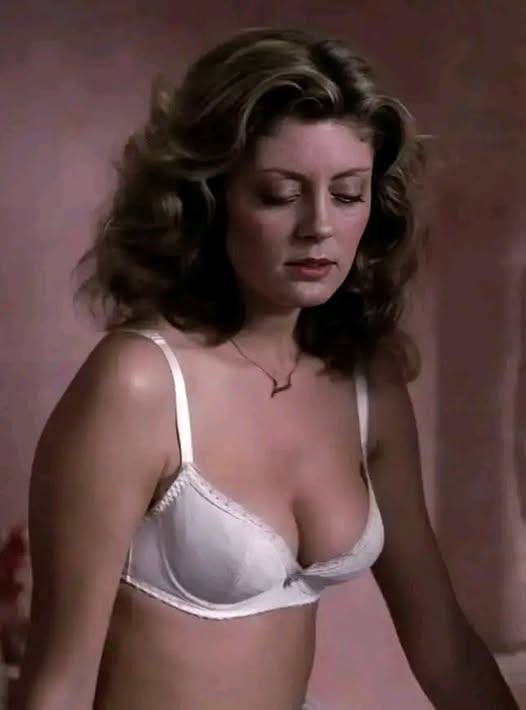
The studio had installed a “warm room” to protect the cast from freezing temperatures, but it famously caught fire, adding a literal element of danger to an already stressful shoot. Susan Sarandon, who portrayed Janet, endured some of the harshest conditions. Wearing minimal clothing while filming in near-freezing temperatures, she pushed through, ultimately developing pneumonia. Despite this, she refused to stop filming, ensuring that her performance remained seamless and unaffected by her physical suffering.
Accidents That Became Legendary
Part of Rocky Horror’s charm comes from its imperfections. Many incidents on set were unplanned, yet they contributed to the film’s surreal and whimsical energy. For example:
- Meat Loaf’s Song Performance: During “Hot Patootie – Bless My Soul,” Meat Loaf nailed the performance in a single take, a feat that astonished the crew.
- Dr. Scott’s Wall Crash: This dramatic scene wasn’t planned—the crew forgot to construct a door, resulting in Barry Bostwick accidentally crashing through a wall.
- Dinner Scene Mishaps: During the famous dinner scene, Bostwick inadvertently slammed his hand onto Susan Sarandon’s, causing real pain and eliciting a reaction that added authenticity to the moment.
- Continuity Quirks: Changes in costumes, wet or dry props, and inconsistent background elements created a dreamlike, almost chaotic continuity that somehow enhanced the film’s charm.
These accidents and improvisations became part of the movie’s DNA, making it feel raw, spontaneous, and alive—qualities that studio polish often removes.
From Box Office Flop to Cultural Phenomenon
When The Rocky Horror Picture Show was first released, it was not a commercial success. Critics were mixed, audiences were divided, and the film struggled financially. But over time, it found its audience. Midnight screenings began in select theaters, gradually growing into a global phenomenon. Fans embraced the film’s campy humor, provocative themes, and interactive potential, transforming it from a perceived failure into a cultural touchstone.
The cast has shared anecdotes about its growing cult status. Tim Curry revealed that even Princess Diana was a devoted fan, telling him the film had “quite completed my education.” Despite the movie’s enduring popularity, cast members never received DVD royalties, a disappointment that left some hesitant to revisit the film publicly. Nonetheless, the legacy endured—proof that true art can thrive despite financial or logistical challenges.
The Timeless Appeal of Rocky Horror
So why does Rocky Horror continue to resonate with audiences nearly fifty years later? The answer lies in its fearless celebration of individuality and identity. The film challenges norms around gender, sexuality, and societal expectations, offering a message of freedom and self-expression that remains relevant today.
- Audience Participation: Midnight screenings encourage viewers to speak lines, throw props, and dress up, creating an immersive, community-driven experience.
- Themes of Rebellion: Frank-N-Furter’s defiance of conventional morality inspires fans to embrace their unique identities.
- Iconic Music and Dance: Songs like “Time Warp” have become anthems, not only within the Rocky Horror community but in popular culture at large.
The combination of music, performance, and audience involvement ensures that every screening feels unique, creating an experience that transcends the original film medium.
Lessons from Chaos
The chaotic production of The Rocky Horror Picture Show offers a few unexpected lessons:
- Imperfection Can Be Beautiful: Accidents, improvisation, and unpredictability contributed to the film’s charm.
- Passion Over Perfection: The cast’s dedication, despite physical discomfort and logistical challenges, demonstrates how commitment can elevate art.
- Cultural Resonance is Unpredictable: Films that flop initially may find new life through passionate fan engagement, proving that impact is not always immediate.
- Boldness Matters: Tim Curry’s fearless portrayal reminds us that confidence and authenticity leave lasting impressions.
In essence, Rocky Horror thrived not despite its chaos but because of it.
Celebrating Legacy
Today, The Rocky Horror Picture Show remains a symbol of liberation, creativity, and community. It’s a film that transcends its original medium, turning theaters into spaces of playful interaction and self-expression. The glitter, makeup, and elaborate costumes are only part of its appeal—the real magic lies in its ability to empower audiences to be unapologetically themselves.
For new viewers and longtime fans alike, the film stands as a reminder that art doesn’t have to be perfect to be transformative. Sometimes, the very imperfections, accidents, and struggles behind the scenes create the moments that resonate most deeply with audiences.
Final Thought
The Rocky Horror Picture Show exemplifies how audacity, creativity, and perseverance can transform chaos into legend. What began as a troubled, uncomfortable production has evolved into a timeless celebration of identity, self-expression, and community. It proves that sometimes, perfection is born from disorder—and no movie illustrates that better than Rocky Horror.