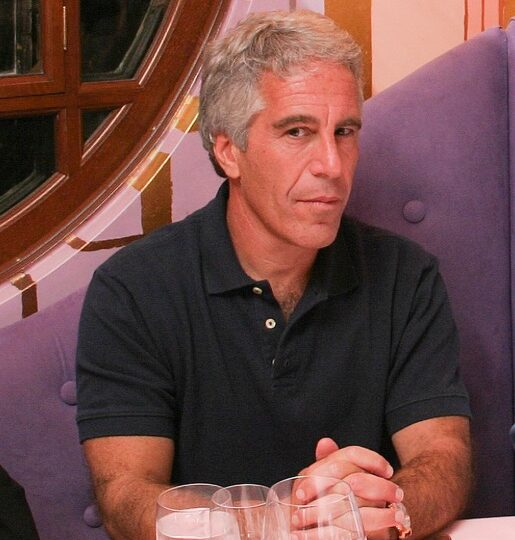
The long-running fallout surrounding financier and convicted sex offender Jeffrey Epstein continues to reverberate across politics, business, and the entertainment industry.Years after Epstein’s 2019 death in federal custody, court filings, unsealed documents, investigative reporting, and legal proceedings involving his associates have kept his network of contacts under public scrutiny. For Hollywood — an industry no stranger to controversy — renewed attention to Epstein’s records has added yet another chapter to an already complex history. As thousands of pages of court materials and records have been made public over time — particularly through litigation connected to Epstein’s accomplice, Ghislaine Maxwell — public curiosity has surged.As thousands of pages of court materials and records have been made public over time — particularly through litigation connected to Epstein’s accomplice, Ghislaine Maxwell — public curiosity has surged.

The documents include emails, deposition transcripts, contact lists, flight logs, and references to public figures spanning decades.
While Epstein’s social orbit included individuals from many walks of life, only a very small number of people have been criminally charged in connection with his offenses
Understanding the difference between documented association and proven misconduct remains essential in navigating this complex and often emotionally charged subject.
A Long History of Public Scrutiny
Epstein’s case first became widely known after his 2008 plea agreement in Florida related to charges involving the solicitation of minors.
More than a decade later, in 2019, he was arrested again on federal sex trafficking charges. He died in a New York detention facility before trial. His death intensified public interest and led to continued investigations and civil litigation.
In 2021, Ghislaine Maxwell was convicted in federal court on charges related to her role in recruiting and grooming underage girls for Epstein
She was sentenced to 20 years in prison. Her trial and related civil lawsuits resulted in thousands of documents becoming part of the public record.
Those materials have periodically been unsealed by court order. When such releases occur, they often generate renewed headlines — particularly when recognizable names appear in emails, contact lists, or witness testimony.
However, courts have repeatedly clarified that many names appear merely because individuals were mentioned in conversation, listed in address books, or invited to social events — not because they were accused of crimes.
Hollywood’s Complicated Relationship With Scandal
Hollywood has experienced its share of high-profile scandals in recent decades. The convictions of Harvey Weinstein for sex crimes reshaped the industry and fueled the #MeToo movement.
The decades-long legal case involving Roman Polanski continues to spark debate about accountability and artistic legacy.
Visual Art & Design
The tragic on-set shooting during the production of the film Rust involving Alec Baldwin added another sobering chapter to conversations about responsibility in the entertainment world.
Against that backdrop, any connection — even peripheral — between Hollywood figures and Epstein inevitably draws intense public attention.
The blurred line between celebrity culture and serious criminal investigation can sometimes amplify speculation beyond the confirmed facts.
The Nature of the Documents
It is important to clarify what the so-called “Epstein files” typically consist of. They are not a single official master list created by the U.S. Department of Justice identifying guilty parties. Rather, they are a collection of:
- Unsealed civil court filings
- Deposition transcripts
- Email correspondence introduced as evidence
- Address books and contact lists
- Flight manifests from Epstein’s private plane
- Internal communications between Epstein and associates
Because Epstein cultivated relationships with politicians, academics, entertainers, philanthropists, and business leaders, his contact lists and event invitations were broad.

Inclusion in those records may indicate anything from a social introduction to a professional interaction — or, in some cases, merely that someone’s name was mentioned by a third party.
Federal authorities have consistently stated that only Epstein and Maxwell were charged in connection with the trafficking offenses proven in court.
No sweeping set of additional criminal charges against Hollywood figures has emerged from the released materials.
Kevin Spacey and Public Response
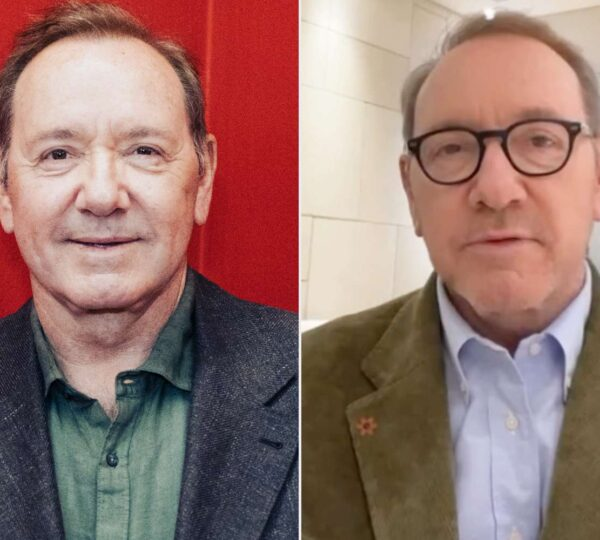
Among entertainment figures whose names have appeared in public reporting related to Epstein is Kevin Spacey.
Photographs from the early 2000s show Spacey alongside Maxwell and former President Bill Clinton during a visit to London. These images have circulated widely online.
Spacey has not been charged in connection with Epstein’s crimes. In 2023, Spacey was acquitted in the United Kingdom of unrelated sexual assault charges.
In mid-2024, he publicly urged full transparency regarding Epstein records, stating on social media that he supported the release of all documents and maintained that transparency would clarify misunderstandings.
Legal analysts note that photographs or social proximity do not establish criminal involvement. In many cases involving Epstein, public figures attended events without knowledge of later criminal conduct.
Woody Allen and Social Gatherings
The name of filmmaker Woody Allen has also appeared in previously unsealed civil litigation materials. Testimony suggested he and his wife, Soon-Yi Previn, may have attended a dinner gathering in New York that included Epstein and other public figures.

Allen has acknowledged attending a dinner at Epstein’s home but has stated that he had minimal contact and was unaware of any criminal behavior at the time. No criminal charges have been filed against Allen in relation to Epstein.
As with many such references, documentation of attendance at a social event does not equate to evidence of participation in illegal activity. Courts and investigators differentiate between social acquaintanceship and complicity.
Casey Wasserman and Documented Communications
Entertainment executive Casey Wasserman has also been mentioned in media coverage of Epstein-related materials.
Wasserman, who leads a major sports and talent management company representing global music and entertainment artists, appeared in email exchanges with Maxwell in the early 2000s.
Some messages referenced in court filings reflected personal or flirtatious language. Wasserman has publicly stated that he regrets the tone of those communications and emphasized that they occurred more than two decades ago, long before Maxwell’s criminal conviction.
Importantly, Wasserman has not been accused by prosecutors of any criminal wrongdoing related to Epstein. His appearance in communications does not constitute evidence of involvement in illegal conduct.
Other Entertainment Figures Mentioned
Various other well-known names from film and television have appeared in reporting tied to Epstein’s documents. These include
- Robert De Niro
- Amy Schumer
- Chris Tucker
- Alyssa Milano
- Whoopi Goldberg
- Minnie Driver
In nearly all such instances, the context has involved mention in flight logs, contact lists, or witness testimony describing social events.
None of these individuals have been criminally charged in connection with Epstein’s offenses.
The public nature of celebrity often amplifies curiosity, but law enforcement agencies and courts have repeatedly cautioned against drawing conclusions based solely on documentation of association.
Why Names Appear in Legal Records
There are several reasons why a person’s name may appear in Epstein-related files:
- They attended a social event where Epstein was present.
- They were listed in an address book or contact list.Books
- Their name was mentioned during testimony by a witness.
- They appeared in photographs at public functions.
- They traveled on a flight where Epstein was also present.
None of these circumstances alone prove criminal knowledge or participation. In high-profile investigations, especially those involving wealthy and socially connected individuals, large networks of peripheral contacts are common.
Public Fascination and Media Responsibility
The Epstein case sits at the intersection of celebrity culture, political influence, wealth, and serious criminal wrongdoing. That combination naturally fuels public interest.
However, responsible reporting requires careful distinction between:
- Documented criminal convictions
- Allegations under investigation
- Social associations
- Speculation without evidentiary basis
Courts operate on evidence, not public curiosity. As of now, aside from Epstein and Maxwell, no Hollywood actor, producer, or entertainment executive has been convicted of crimes tied directly to Epstein’s trafficking offenses.
The Broader Cultural Impact
The release of court documents has sparked ongoing debates about power, accountability, and transparency. Many advocacy groups argue that full disclosure is necessary to restore public trust.
Others warn that selective interpretation of unsealed documents can unfairly damage reputations.
The entertainment industry, already reshaped by movements demanding accountability and workplace reform, continues to confront how it responds to association controversies.
Studios, agencies, and public figures often issue statements clarifying limited contact when names surface.
In the digital age, archived photos and decades-old emails can resurface instantly. Context, however, is essential.
A Critical Legal Reminder
Federal authorities have emphasized a consistent point: inclusion in Epstein-related records is not proof of involvement in criminal activity.
The criminal case that resulted in convictions centered on Epstein and Maxwell’s documented exploitation of minors.
While investigations have examined potential accomplices, prosecutors have not filed sweeping additional charges against Hollywood figures.
In legal systems governed by due process, individuals are presumed innocent unless proven guilty in court.
Conclusion
The continuing public interest in Jeffrey Epstein’s network reflects broader societal concerns about power and accountability.
The entertainment industry, given its visibility and influence, naturally becomes part of that conversation when recognizable names appear in court documents.
Yet facts remain paramount. Court records show that many prominent individuals were referenced in Epstein’s materials.
At the same time, law enforcement has charged only Epstein and Ghislaine Maxwell in connection with the crimes proven in court.
As additional records are reviewed and discussed, the distinction between association and culpability remains critical.
In a landscape where headlines travel quickly and reputations can shift overnight, responsible analysis depends on evidence — not implication.
The Epstein case continues to generate discussion, but the legal record remains clear: beyond Epstein himself and Maxwell, no entertainment figure named in the released materials has been criminally convicted in relation to his offenses.