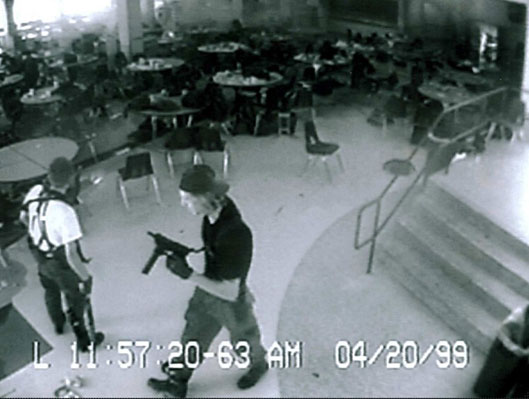
The bell for third period had just rung at Westbridge Mall. Teenagers drifted toward the food court, parents pushed strollers past bright storefront windows, and employees restocked shelves with the steady rhythm of an ordinary Saturday. Music floated from ceiling speakers, blending with laughter and the hiss of espresso machines.
At 11:42 a.m., a single sharp crack sliced through the noise.
For a split second, people hesitated, confused. Then came another. And another. The sound ricocheted off tile floors and glass displays, unmistakable now. Panic erupted like a wave breaking.
Store gates slammed down. Shoppers scattered in every direction. A mother dropped her shopping bags and scooped her toddler into her arms. Two teenagers sprinted into a clothing store and dove behind a rack of jackets. Somewhere near the escalators, someone screamed for help.
Marcus Hill, the assistant manager of a sporting goods store, didn’t think—he reacted. He ushered customers into the stockroom, counting quickly. “Stay low. Phones on silent,” he whispered, locking the heavy metal door. A little boy clutched a baseball glove to his chest, his eyes wide and unblinking.
Across the mall, security officer Dana Reeves radioed for backup while guiding a group of elderly shoppers into an emergency exit corridor. Her hands shook, but her voice stayed steady. “Keep moving. Don’t look back,” she told them.
Time fractured into flashes of noise and silence. The distant sirens grew louder, merging with alarms and the echo of footsteps. People hid in bathrooms, under counters, inside dark storage closets. Text messages flew out—I love you. I’m safe. Pray.
In the stockroom, Marcus crouched beside the group he’d gathered. A teenage girl named Lila pressed her back against a shelf of boxed tents. She kept thinking about how she’d argued with her brother that morning over something stupid—borrowing a charger. The thought felt unreal now, almost cruel in its normalcy.
Then, after what felt like hours but was only minutes, there were new voices—clear, commanding. Law enforcement moved methodically through the corridors. The noise subsided. The air shifted.
“It’s over,” someone said.
When the doors finally opened, the mall looked unrecognizable. Glass glittered across the floor like scattered ice. Abandoned shoes and purses lay where people had fled. Outside, flashing red and blue lights reflected against storefront windows.
Families reunited in the parking lot. Tears mixed with relief and disbelief. Strangers embraced as if they’d known each other for years. Paramedics worked quietly and quickly. News helicopters circled overhead, capturing images that would soon spread far beyond Westbridge.
That evening, the mall stood closed, its entrance framed by yellow tape. The community gathered in the nearby park instead. Candles flickered against the dark. Names were spoken into the microphone—some trembling, some defiant. Silence followed each one.
Marcus stood near the back, his store uniform still dusted with grime. Lila found him in the crowd and gave him a small, grateful nod. Neither knew what to say. Words felt too small.
In the days that followed, Westbridge would reopen, but nothing inside would feel the same. There would be new security measures, new policies, new conversations about safety and responsibility. There would also be grief—quiet, persistent, and heavy.
But there would be something else, too.
In the weeks after the silence broke, neighbors checked on neighbors. Blood drives filled. Counselors volunteered their time. Letters arrived from strangers across the country. The community, shaken but unbroken, leaned into one another.
The echoes of that morning would linger. Some wounds would take years to heal. Yet in the shared determination to protect, to listen, and to remember, Westbridge found a fragile thread of hope.
The silence had been shattered—but not their humanity.