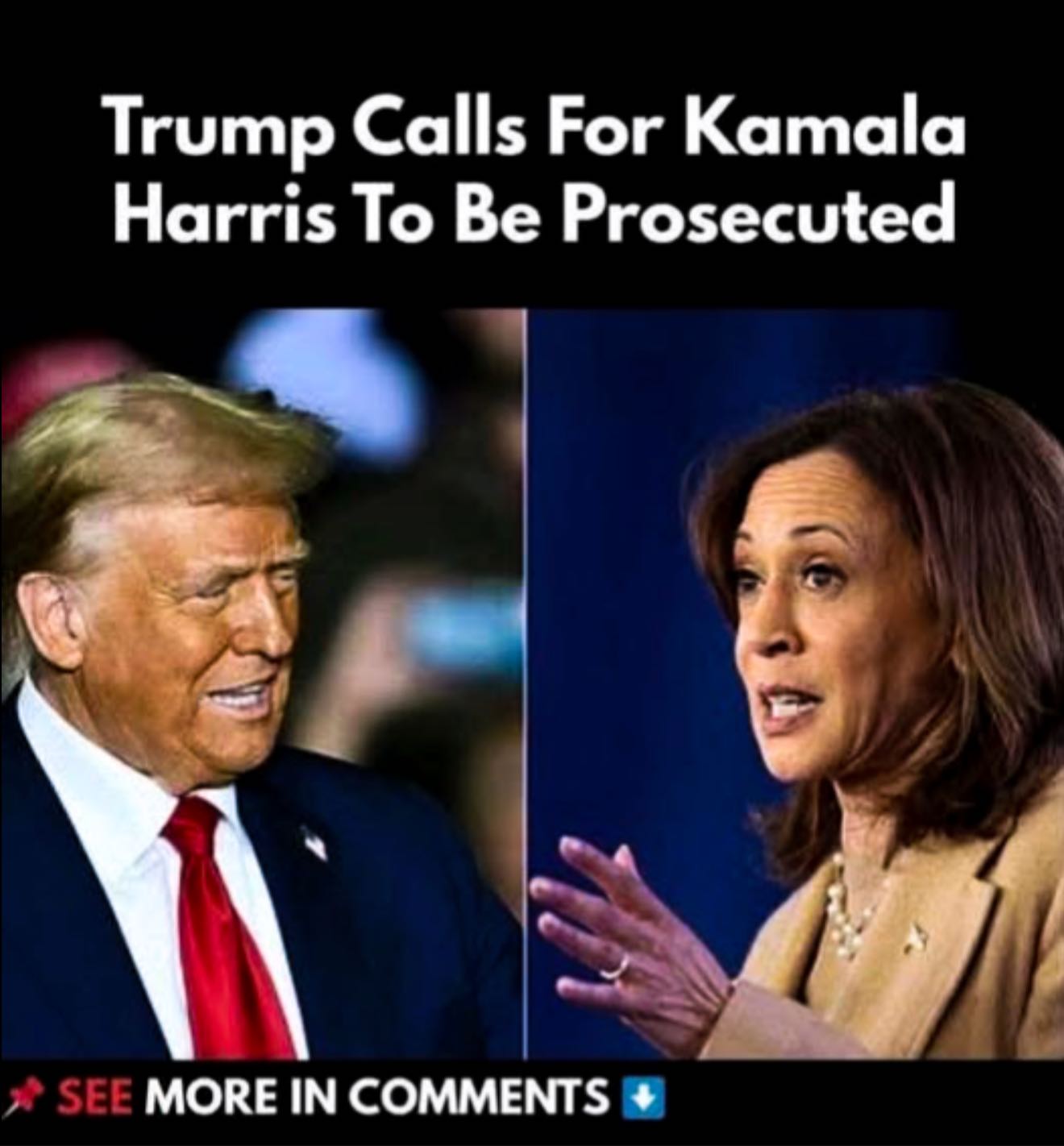
The conclusion of the 2024 United States presidential election marked a defining moment for the Democratic Party, prompting widespread reflection, internal debate, and strategic reassessment. What followed was not merely disappointment over a lost race, but a comprehensive and often contentious internal evaluation of decisions, assumptions, and campaign structures that ultimately failed to secure victory. This period of introspection has been described by party insiders as a political reckoning—one that exposed divisions within Democratic leadership and raised difficult questions about the party’s future direction.
At the heart of this conversation lies the presidential campaign of Vice President Kamala Harris. Her historic candidacy, which carried immense symbolic and political significance, concluded with an electoral defeat that surprised some supporters and emboldened critics. In the weeks following the election, strategists, donors, policy experts, and elected officials began dissecting the campaign’s choices, messaging priorities, and organizational effectiveness. The result has been a complex narrative of competing explanations rather than a single, agreed-upon cause.
This internal debate has unfolded both privately and publicly, revealing sharp disagreements among those closest to the campaign. While some attribute the loss to external circumstances beyond Harris’s control, others argue that deeper structural and strategic issues played a decisive role. Together, these perspectives paint a nuanced picture of a party struggling to reconcile ambition, reality, and voter sentiment in a rapidly changing political environment.
One of the most frequently cited explanations for the Democratic defeat centers on timing. Supporters of the Harris campaign have emphasized that President Joe Biden’s decision to exit the race late in the election cycle placed Harris in an unusually challenging position. With limited time to consolidate support, introduce herself anew to voters, and define her platform independently, Harris entered the race under compressed conditions that few modern presidential candidates have faced.
According to this view, the shortened campaign timeline hindered the ability to conduct a full-scale primary process, refine messaging, and build sustained voter relationships across key battleground states. Campaign allies argue that the opposition capitalized on this vacuum, moving swiftly to frame Harris’s public image before her team could respond with a cohesive national narrative.
From this perspective, the defeat was less about policy missteps and more about structural constraints. Without months of groundwork, grassroots mobilization, and targeted outreach, Harris faced an uphill battle against a well-organized and aggressive opponent. Proponents of this argument contend that no candidate—regardless of experience or skill—could have easily overcome such disadvantages.
Not everyone within Democratic circles accepts the timing explanation. Veteran strategists and long-serving party operatives have pushed back strongly against the idea that a condensed campaign alone explains the loss. In their view, focusing on the calendar risks obscuring more fundamental shortcomings in strategy and voter engagement.
These critics argue that successful campaigns adapt quickly to constraints rather than using them as justification after the fact. They point to historical examples of candidates who overcame limited timeframes through disciplined messaging, sharp contrasts, and relentless focus on voter priorities. From this standpoint, the Harris campaign’s difficulties reflected deeper issues in its strategic assumptions rather than unavoidable logistical challenges.
This faction maintains that the campaign struggled to connect with voters on the issues that mattered most in 2024. While organizational hurdles were real, they argue that voters ultimately respond to clarity, relevance, and perceived authenticity—qualities that can be communicated even under pressure if the campaign’s core message is properly aligned with public concerns.
A central theme emerging from post-election analysis is the role of economic sentiment in shaping voter behavior. Across multiple surveys and focus groups, economic concerns consistently ranked at the top of voter priorities. Inflation, housing affordability, healthcare costs, and everyday expenses dominated conversations in households across the country.
Critics of the Harris campaign argue that its messaging did not sufficiently address this economic unease. While policy proposals were presented, they were often overshadowed by broader thematic appeals related to democratic values and social issues. For many voters, particularly those feeling financial strain, these messages felt disconnected from their immediate realities.
Polling data suggested that large segments of the electorate were seeking reassurance that their economic challenges were understood and prioritized. Mortgage rates, grocery prices, and energy costs were tangible issues shaping daily life. Campaigns that successfully linked their platforms to these concrete concerns gained traction, while those perceived as abstract or overly ideological struggled to maintain support.
Navigating the Challenges of Incumbency
Another factor complicating the Harris campaign was its association with the sitting administration. As Vice President, Harris carried both the advantages and burdens of incumbency. While experience in office provided credibility and policy knowledge, it also tied her closely to public perceptions of the administration’s economic performance.
For voters dissatisfied with current conditions, this association proved difficult to overcome. The campaign faced the delicate task of defending past achievements while simultaneously offering a vision of change. Striking that balance is notoriously challenging, and many analysts believe the Harris campaign did not fully succeed in differentiating itself from existing frustrations.
This tension placed the campaign in a strategic bind: emphasizing continuity risked alienating voters seeking change, while emphasizing reform risked undermining confidence in the administration’s record. The result was a message that some voters perceived as cautious or unclear.
Willie Brown’s Critique and the Weight of Experience
Among the most prominent voices weighing in on the campaign’s shortcomings was Willie Brown, the former mayor of San Francisco and a longtime political figure with deep experience in Democratic politics. Brown’s comments attracted attention not only because of his public profile, but also because of his long-standing professional connection to Harris.
Brown offered a blunt assessment, arguing that senior campaign leadership failed to accurately read the political environment. In his view, the campaign underestimated persistent voter biases and overestimated the effectiveness of traditional messaging strategies. He suggested that lessons from previous national elections—particularly the 2016 race—were not fully absorbed.
According to Brown, the campaign placed too much faith in data-driven optimism and not enough emphasis on cultural and regional realities. His critique highlighted the importance of understanding how national narratives play differently across urban, suburban, and rural communities, especially in closely contested states.
Regional Disconnects and Cultural Perceptions
A recurring theme in post-election commentary has been the campaign’s struggle to resonate with voters outside major metropolitan areas. Critics argue that the campaign’s messaging reflected a largely coastal worldview that did not fully engage with the cultural concerns of voters in industrial and rural regions.
In states across the Midwest and Rust Belt, economic insecurity often intersects with cultural identity. Voters in these areas frequently prioritize job stability, energy policy, and local industry protection. When campaigns fail to address these concerns in concrete terms, they risk appearing distant or dismissive.
While the Harris campaign emphasized institutional stability and civil rights protections, opponents focused heavily on issues such as border control, domestic energy production, and national competitiveness. This contrast created a messaging imbalance that proved difficult to counter, even with substantial fundraising and high-profile endorsements.
The Limits of Fundraising and Celebrity Support
The Harris campaign achieved notable success in fundraising, breaking records and mobilizing a wide donor base. It also attracted endorsements from prominent figures in entertainment and media, generating significant online engagement and visibility.
However, post-election analysis suggests that these advantages did not translate into decisive voter persuasion. While celebrity support can amplify awareness, it does not necessarily address voter skepticism or economic anxiety. In some regions, such endorsements may even reinforce perceptions of elitism or cultural disconnect.
Analysts have noted that enthusiasm on social media does not always correlate with turnout or swing-voter conversion. The campaign’s challenge lay in transforming attention into trust—a task that requires sustained, localized engagement rather than broad national messaging alone.
Voter Realignment and Shifting Coalitions
One of the most consequential outcomes of the 2024 election was evidence of shifting voter coalitions. Exit polls and demographic analyses revealed changes in support patterns among groups traditionally aligned with Democrats, including younger voters and segments of the Latino electorate.
These shifts suggest that party loyalty is becoming increasingly fluid. Rather than voting consistently along party lines, many voters now evaluate candidates based on perceived policy outcomes and personal relevance. This transactional approach to voting places greater pressure on campaigns to articulate clear, practical benefits.
For Democrats, these trends underscore the need to reassess assumptions about their electoral base. Appeals rooted solely in historical alliances or symbolic representation may no longer suffice in an environment where economic pragmatism dominates voter decision-making.
Media Fragmentation and the Information Challenge
The 2024 election also highlighted the evolving media landscape. Traditional television networks no longer hold the same influence they once did, particularly among younger and undecided voters. Instead, podcasts, online commentators, and independent digital platforms have emerged as powerful opinion-shapers.
Critics argue that the Harris campaign did not fully adapt to this reality. While it maintained a presence across multiple platforms, it struggled to penetrate certain information ecosystems where alternative narratives gained traction. As a result, some voters encountered limited exposure to the campaign’s policy arguments.
Future campaigns are likely to invest more heavily in decentralized media strategies, recognizing that credibility and repetition within niche audiences can be more impactful than broad national exposure.
The Road Ahead for Kamala Harris
Despite the loss, many political observers caution against viewing the 2024 election as the end of Kamala Harris’s public career. History offers numerous examples of national figures who rebounded from defeat with renewed focus and influence.
A period of reflection and recalibration often follows such losses. For Harris, this may involve stepping back from electoral politics temporarily while engaging in policy advocacy, legal work, or public discourse. Reframing her narrative around executive experience and legal expertise could position her as a leading voice on governance and reform.
Reputation recovery in politics is rarely immediate, but it is possible through consistency, visibility, and substantive contribution. Harris’s supporters argue that her experience places her well to influence future debates, whether inside or outside formal office.
Implications for the Democratic Party
Beyond any individual candidate, the 2024 election represents a critical inflection point for the Democratic Party. Financial restructuring, policy realignment, and leadership development are already underway as party officials prepare for upcoming electoral cycles.
Political scientists and analysts are likely to study the Harris campaign as a case study in modern campaigning, examining how digital media, economic sentiment, and demographic shifts interact in high-stakes races. The lessons learned will shape candidate training, messaging frameworks, and coalition-building strategies in years to come.
Conclusion: Lessons From a Defining Election
The aftermath of the 2024 presidential election has revealed a Democratic Party in transition. The loss prompted difficult conversations about strategy, identity, and voter engagement—conversations that are essential for renewal.
Kamala Harris remains a significant figure in American politics, having broken barriers and reached the highest levels of government. While the campaign’s shortcomings are being openly debated, her resilience and experience ensure that her voice will continue to matter in national discourse.
In the unforgiving arena of electoral politics, outcomes are final, but narratives are not. The 2024 election serves as a reminder that success depends not only on ambition and symbolism, but on sustained connection with the lived realities of voters. For Democrats moving forward, that lesson may prove to be the most enduring legacy of this pivotal moment.