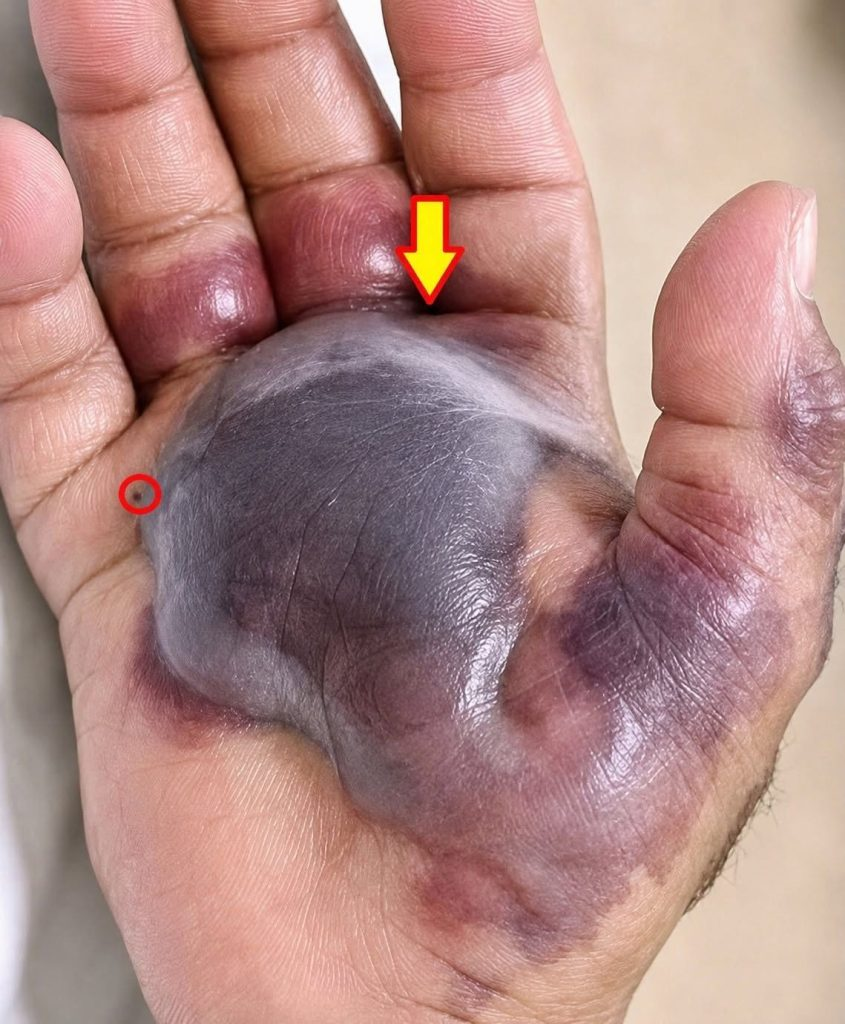
Most people think very little about a minor cut, scrape, or insect bite.
A mosquito bite during a summer evening, a scratch while gardening, or a small cut while preparing dinner usually seems like a routine part of everyday life.
And in the vast majority of cases, these small skin injuries heal without causing any problems at all.
However, medical experts remind us that the skin serves as one of the body’s most important protective barriers.
When that barrier is broken—even by something as small as an insect bite or tiny cut—bacteria can sometimes enter the body and cause infection.
Although serious complications are uncommon, recognizing early warning signs can make an important difference.
The skin helps protect the body from bacteria, viruses, and other harmful organisms found in the environment.
When the skin is damaged, even slightly, microorganisms may occasionally enter through the opening.
Most minor infections remain localized and improve with proper care.
However, in some situations, bacteria can spread into deeper tissues and become more difficult to treat.
Certain factors may increase the risk of complications, including:
Healthcare professionals recommend paying attention to changes that seem unusual or worsen quickly.
Darkening or unusual discoloration of the skin
These symptoms do not automatically indicate a severe condition, but they may require prompt medical evaluation.
Some skin infections can progress rapidly if left untreated.
In more serious cases, bacteria may spread into deeper tissues or enter the bloodstream, potentially leading to severe complications.
This is why healthcare providers encourage people to seek medical advice when symptoms appear unusual, severe, or rapidly worsening.
Early treatment is often simpler and more effective than waiting for symptoms to become more serious.
Fortunately, a few basic precautions can help lower the risk of infection:
Watch for increasing redness or swelling.
Good wound care remains one of the simplest and most effective ways to prevent complications.
Yes. Scratching can damage the skin and allow bacteria to enter, potentially causing infection.
When should I seek medical attention for a cut?
Medical advice may be helpful if redness spreads, pain worsens, or fever develops.
Mild swelling is common, but severe or rapidly increasing swelling should be evaluated by a healthcare professional.
Are serious infections from small wounds common?
No. Most minor injuries heal normally, but complications can occasionally occur.
People with diabetes, circulation problems, or weakened immune systems may have a higher risk.
Most insect bites and minor cuts heal without causing any lasting problems.
Still, paying attention to changes in the skin is important.
When symptoms seem unusual, worsen quickly, or are accompanied by fever or severe pain, seeking medical advice promptly can make a significant difference.
Sometimes the body’s earliest warning signs are also its most important ones.
Medical Disclaimer: This article is for informational purposes only and should not replace professional medical advice, diagnosis, or treatment. If you have concerns about a wound or infection, consult a qualified healthcare professional.