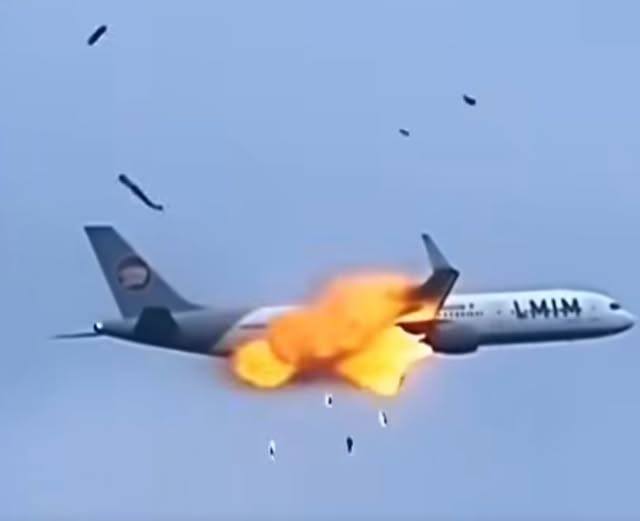
Captain Lisa Morgan had flown hundreds of flights during her fifteen-year career.
Beside her sat First Officer Emma Reyes, a talented pilot who had earned a reputation for staying calm under pressure.
On a clear summer morning, the two women prepared for what should have been a routine flight from Denver to Seattle.
The aircraft was nearly full.
More than 160 passengers were onboard.
Families settled into their seats.
Business travelers opened laptops.
Flight attendants completed their final checks.
Everything seemed normal.
At 8:12 a.m., the aircraft pushed back from the gate.
A few minutes later, it taxied toward the runway.
“Ready?” Lisa asked.
Emma smiled.
“Let’s go.”
The engines roared as the plane accelerated down the runway.
Within seconds, they were airborne.
For the first twenty minutes, the flight was uneventful.
The sky was clear.
The aircraft performed perfectly.
Passengers relaxed.
Many began watching movies or taking naps.
Then a warning light suddenly illuminated on the flight deck.
Emma immediately noticed it.
“That’s not supposed to be on.”
Lisa glanced at the instrument panel.
A hydraulic system warning had appeared.
Neither pilot panicked.
They had trained for situations like this countless times.
Emma opened the emergency checklist while Lisa maintained control of the aircraft.
Together, they carefully followed procedures.
At first, the warning appeared manageable.
But minutes later, another alert sounded.
Then another.
Now the situation was becoming more serious.
A secondary system was showing abnormal readings.
The cockpit became quiet except for radio communications and checklist callouts.
Meanwhile, passengers remained unaware that anything unusual was happening.
Flight attendants continued serving drinks.
Children looked out the windows.
The cabin appeared calm.
Inside the cockpit, however, the pilots were working rapidly.
Air traffic control was notified.
Nearby airports were reviewed.
Weather conditions were checked.
Lisa and Emma evaluated every available option.
Neither wanted to take unnecessary risks.
After reviewing the situation, they decided the safest course of action was to divert to a large airport capable of handling any emergency.
The announcement to passengers was brief.
“Ladies and gentlemen, this is your captain speaking. We are experiencing a technical issue and will be making a precautionary landing. There is no immediate danger, but our destination will be changing.”
The cabin instantly became tense.
Passengers exchanged nervous looks.
Some began asking questions.
Flight attendants reassured everyone that the crew was handling the situation.
As the aircraft descended toward the alternate airport, the problems continued.
One system failed completely.
The aircraft remained controllable, but certain backup functions were now unavailable.
Emma continued reading procedures while Lisa focused entirely on flying.
Years of training suddenly mattered more than ever.
Neither pilot allowed stress to overwhelm them.
Every decision was deliberate.
Every action followed established procedures.
On the ground, emergency vehicles positioned themselves along the runway as a precaution.
Fire crews waited.
Medical teams stood ready.
The sight of flashing lights made some passengers increasingly anxious.
Inside the cockpit, however, Lisa remained focused.
“Approach looks good,” Emma said.
“We’ve got this.”
The aircraft lined up with the runway.
Wind conditions remained favorable.
The runway stretched ahead.
Hundreds of eyes in the cabin watched silently through the windows.
The landing gear extended normally.
That alone brought relief.
Lisa carefully guided the plane lower.
Lower.
Lower.
Then, with a firm but controlled touchdown, the aircraft landed safely.
The cabin erupted into applause.
Some passengers cheered.
Others simply breathed a sigh of relief.
The plane rolled to a stop without incident.
For a moment, nobody moved.
Then reality sank in.
They were safe.
As passengers exited the aircraft, many thanked the crew personally.
Several stopped to speak with Lisa and Emma.
One elderly passenger shook their hands.
“You two saved the day.”
Lisa smiled modestly.
“We were just doing our jobs.”
Investigators later determined that multiple mechanical failures had occurred during the flight.
While none of the individual problems alone would have been catastrophic, the combination created a situation requiring immediate attention.
Aviation experts praised the crew’s professionalism.
The incident became a case study in effective teamwork and decision-making under pressure.
Months later, passengers still remembered the flight.
Not because of the technical failures.
Not because of the emergency vehicles.
But because two skilled pilots remained calm when it mattered most.
The experience served as a reminder that aviation safety depends not only on technology but also on the training, judgment, and professionalism of the people in the cockpit.
And on that day, those qualities brought everyone home safely.