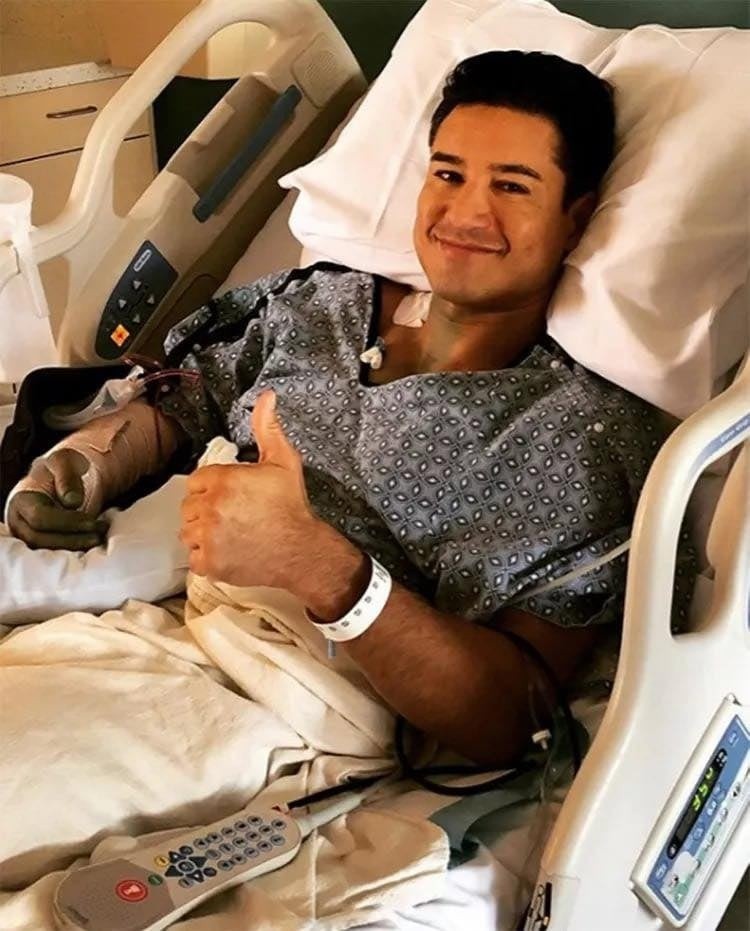
Recent viral reports claiming that Mario Lopez has been hospitalized in critical condition are not supported by credible evidence at this time. There has been no confirmed announcement from major news organizations, official representatives, or verified family sources indicating that Lopez is currently facing a life-threatening medical emergency.
The dramatic claims spreading online appear to follow a familiar pattern often seen in celebrity health rumors and internet hoaxes. Social media posts and sensational articles frequently use alarming language such as “critical condition,” “breaking news,” or “fans are devastated” to generate rapid attention, clicks, and emotional reactions before any information is verified.
In reality, if a major public figure like Mario Lopez were truly hospitalized in critical condition, multiple trusted news outlets would almost immediately confirm the story through official channels.
Instead, there is currently no reliable reporting supporting the claims.
For decades, Mario Lopez has remained one of the most recognizable personalities in American entertainment. Rising to fame through his role as A.C. Slater on Saved by the Bell, he later built a successful career as a television host through programs like Access Hollywood and Extra.
Because of his long public presence, audiences feel personally familiar with him, which makes alarming rumors spread extremely quickly whenever his name appears in shocking headlines.
The emotional structure of these viral stories is usually very similar.
First comes the urgent “breaking news” framing.
Then emotional details follow about fans reacting in shock.
Mentions of prayers, family concern, and celebrity tributes are added.
Finally, vague references to unnamed “sources close to the family” create the illusion of credibility without providing verifiable evidence.
These tactics are designed to trigger emotional engagement before readers stop to question whether the information has actually been confirmed.
Celebrity death and hospitalization hoaxes have become increasingly common in the age of social media because shocking stories spread faster than corrections. Platforms reward content that generates strong emotional responses, and sudden health emergencies involving famous people naturally attract enormous attention.
Unfortunately, many users share these stories instantly without checking reliable sources first.
This creates a cycle where rumors can appear believable simply because they are repeated widely enough online.
Psychologists explain that humans are emotionally drawn to dramatic narratives involving familiar public figures. People often feel a one-sided emotional connection to celebrities they have watched for years on television or heard regularly on radio and podcasts. That familiarity creates genuine emotional reactions when alarming news appears.
For many viewers, Mario Lopez represents more than just an actor or television host.
He symbolizes nostalgia.
Generations grew up watching him on television, from teenage audiences during the Saved by the Bell era to adults who later followed his hosting career in entertainment news. His upbeat personality, energetic presence, and long-standing visibility made him feel consistently present in pop culture for decades.
That emotional familiarity is exactly why false reports involving celebrities can feel so convincing and upsetting initially.
The rumor also reflects a broader issue surrounding misinformation online.
Modern digital platforms allow unverified stories to spread internationally within minutes. In earlier decades, major news required confirmation through professional journalism before reaching large audiences. Today, emotionally charged posts can gain millions of views long before fact-checking occurs.
Once viral momentum begins, corrections often struggle to spread as widely as the original rumor.
Media literacy experts therefore recommend several important habits whenever shocking celebrity news appears online:
Check whether trusted major news organizations are reporting the story.
Look for official statements from verified representatives or family members.
Avoid relying solely on screenshots or social media reposts.
Be cautious of headlines designed primarily to provoke fear or emotional reaction.
Wait for confirmation before sharing dramatic claims publicly.
At the moment, there is no verified evidence confirming that Mario Lopez is hospitalized in critical condition.
In fact, recent public activity and entertainment reporting surrounding Lopez suggest continued normal professional engagement rather than a sudden medical crisis.
Stories like this also highlight how quickly public perception can shift when health-related rumors emerge. A celebrity may appear healthy publicly one day, only for false reports to spread the next. Because audiences now consume information constantly through fast-moving digital feeds, many people react emotionally before verifying accuracy.
That speed creates confusion and unnecessary panic.
It also places emotional strain on celebrities and their families, who may suddenly face waves of concern over events that never actually occurred. Friends, relatives, colleagues, and fans can all become caught inside viral misinformation cycles.
At the same time, the strong public reaction reveals something deeply human: people genuinely care about familiar public figures who have been part of their daily lives for years.
Television personalities like Mario Lopez become woven into routines and memories. Viewers associate them with childhood, entertainment, comfort, and cultural moments shared across generations. Even false rumors therefore trigger authentic emotional concern because audiences feel connected to the person behind the screen.
Still, emotional reaction should never replace verification.
In an online environment where shocking headlines compete constantly for attention, patience and fact-checking matter more than ever. Sensational claims may spread quickly, but credibility still depends on confirmed evidence rather than viral repetition.
For now, fans of Mario Lopez can take reassurance in the fact that no reliable sources have confirmed the alarming reports circulating online.
And until verified information emerges from trustworthy official channels, the dramatic claims about his critical hospitalization should be treated with caution rather than accepted as fact.