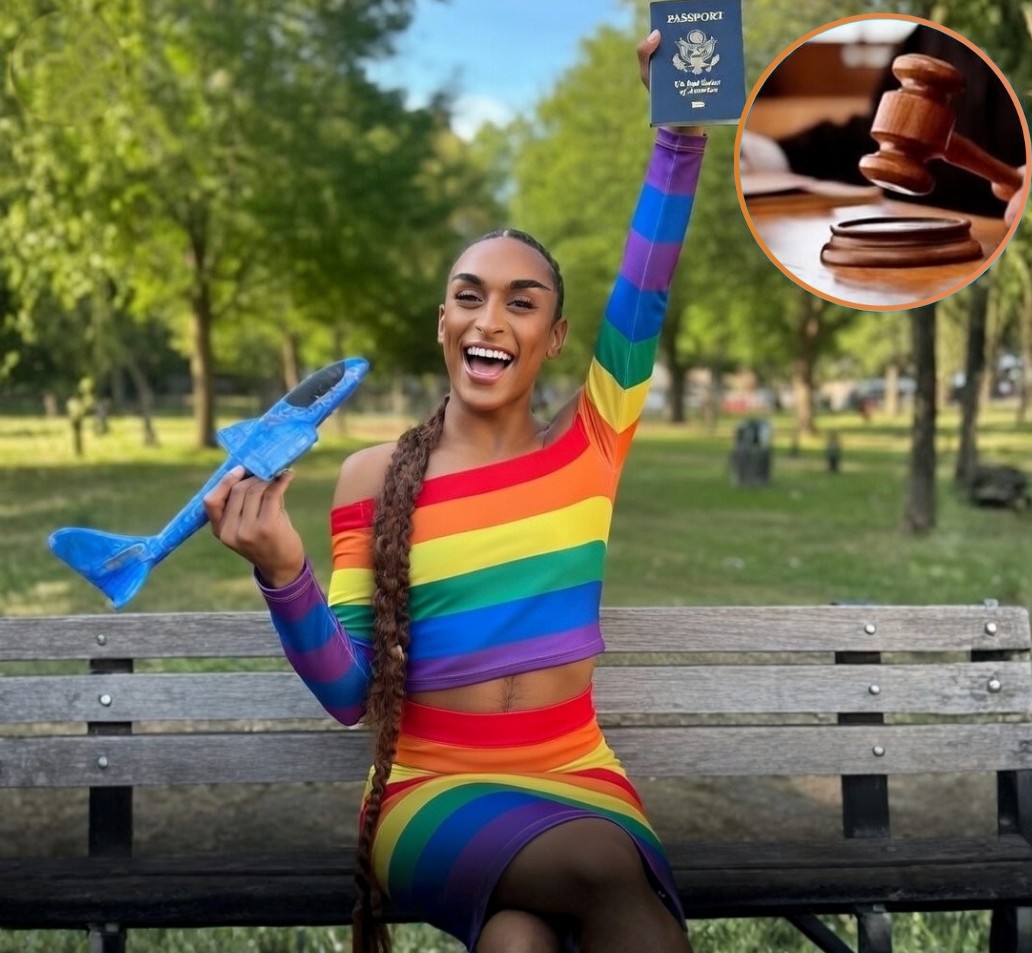
A recent court decision has ignited widespread discussion after denying requests to introduce gender-neutral passport options for transgender and nonbinary individuals. The ruling, which maintains the current system of allowing only “M” (male) or “F” (female) markers on official travel documents, has drawn strong reactions from LGBTQ+ advocates and civil rights groups.
At the heart of the case was a petition filed by activists seeking recognition for people whose identities do not fit within the traditional binary framework. They argued that the absence of an “X” or nonbinary option on passports fails to reflect the lived realities of many citizens, effectively excluding them from accurate legal recognition.
The court, however, upheld existing regulations. In its reasoning, it emphasized adherence to current legal definitions and administrative structures, suggesting that any major changes to identification systems would likely require legislative—not judicial—action.
For many advocates, the decision represents more than just a bureaucratic outcome—it highlights what they see as a deeper issue of visibility and equality.
Supporters of gender-neutral identification argue that passports are not merely travel documents; they are fundamental forms of identity. When those documents fail to reflect who someone is, it can create complications that go far beyond inconvenience. Transgender and nonbinary individuals often face challenges at border crossings, during security checks, or when accessing services that require official ID.
“Recognition matters,” one advocate explained in response to the ruling. “It’s about dignity, safety, and being able to exist in systems that acknowledge who you are.”
The debate also reflects a growing global shift.
Countries like Canada, Australia, and Germany have already introduced “X” gender markers on passports and other official documents. These changes have been widely cited by advocates as proof that inclusive identification systems are both practical and increasingly recognized worldwide.
In those nations, individuals who identify outside the male/female binary can select a marker that better aligns with their identity, reducing friction in travel and official interactions.
Critics of the court’s decision argue that it overlooks these international developments and fails to keep pace with evolving understandings of gender. They say the ruling reinforces systemic barriers, leaving nonbinary and transgender individuals without equal access to accurate identification.
However, others defend the court’s stance, pointing to the complexities of implementing such changes. They note that international travel systems, data compatibility, and legal frameworks vary widely between countries, and any modifications to passport standards must consider global coordination.
Despite differing opinions, one point of agreement has emerged: the issue is far from settled.
Activists are now shifting their focus toward legislative bodies, emphasizing that lasting change will likely require new laws rather than court rulings. Campaigns are already underway to push for reforms that would allow more inclusive identification options, with supporters framing the issue as part of a broader movement for equal rights.
For transgender and nonbinary communities, the ruling is a reminder of ongoing challenges—but also of continued momentum.
While the court’s decision maintains the status quo for now, the conversation it has sparked is unlikely to fade. As more countries adopt inclusive policies and public awareness grows, pressure for change continues to build.
In the end, the debate over gender-neutral passports is about more than documentation—it’s about recognition, representation, and the evolving understanding of identity in modern society.
And as advocates continue to push forward, the question remains open: not if change will come, but when.