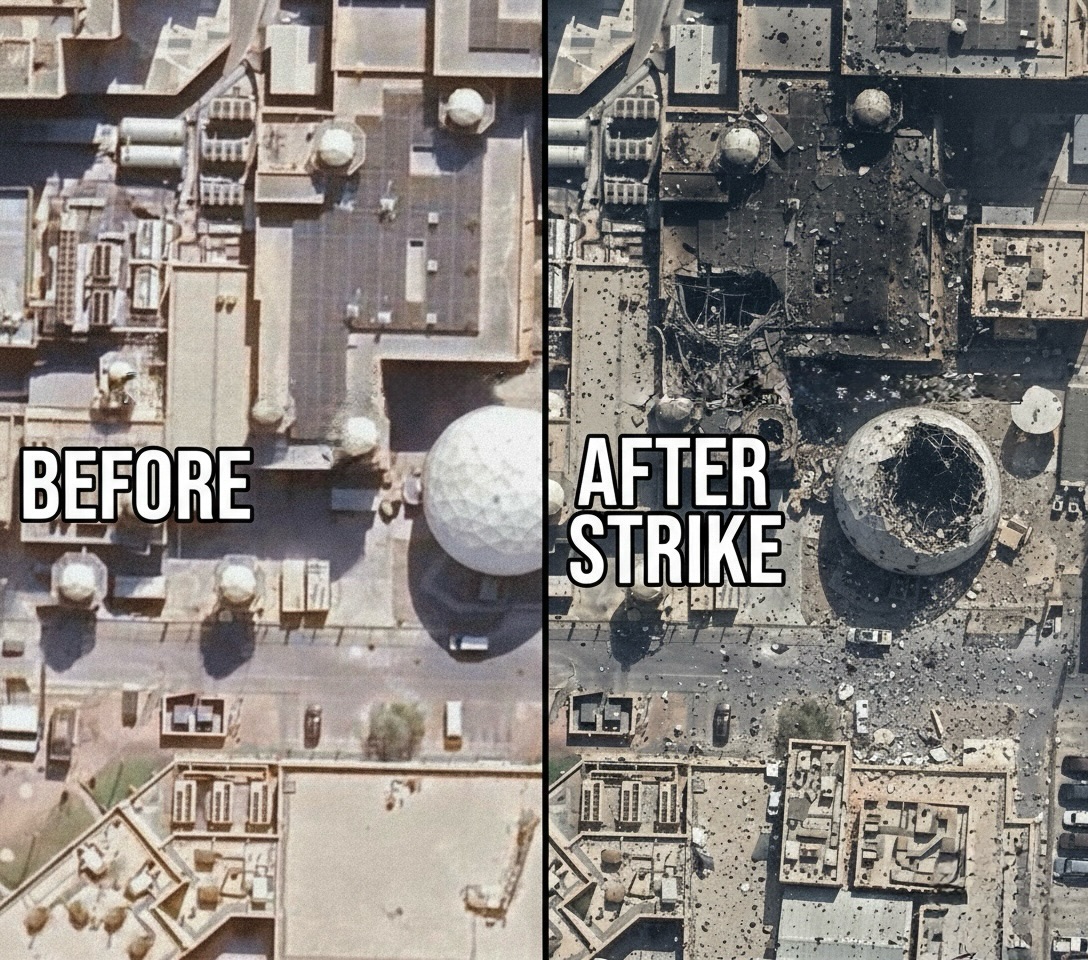
Scenes emerging from central Israel are being described by residents and officials as “unprecedented in recent years” following the latest wave of Iranian missile bombardment.
Footage and photographs from impacted neighborhoods show burned-out vehicles lining residential streets, their frames twisted and blackened by intense heat. Several multi-story buildings display visible structural damage — shattered windows, collapsed balconies, and exterior walls scarred by blast pressure.
Authorities confirmed that multiple projectiles reached urban areas in and around Tel Aviv, despite extensive interception efforts by Israel’s air defense systems. While many incoming missiles were reportedly intercepted mid-air, officials acknowledged that some struck residential zones, causing significant material damage.
Emergency crews worked through the night responding to fires sparked by impacts and falling debris. In several areas, flames engulfed parked vehicles, spreading briefly to nearby structures before firefighters managed to contain the blazes. By early morning, smoke still lingered above parts of the city.
Residents described moments of chaos as sirens sounded across central districts.
“We heard the alert and ran to the shelter,” one resident told local media. “A few seconds later, the entire building shook.”
Video from the scene shows glass carpeting sidewalks and building entrances. Cars parked along curbs appear melted or partially destroyed, their windows blown out by shockwaves. In some streets, fragments of intercepted missiles are visible among the debris, prompting police to cordon off certain areas for safety inspections.
Medical authorities reported dozens of injuries, most attributed to shrapnel, falling debris, or blast-related trauma. Hospitals in central Israel activated emergency protocols overnight to accommodate incoming patients.
Municipal engineers have begun assessing the structural integrity of affected buildings. Officials warned that some apartment blocks may be temporarily uninhabitable until repairs and safety checks are completed.
Military analysts say the scale of visible damage suggests either direct impacts or very close detonations within densely populated neighborhoods. The intensity of the barrage has raised concerns about further escalation if hostilities continue.
Iranian officials have framed the strikes as part of a broader retaliatory campaign, while Israeli leaders described the bombardment as a deliberate targeting of civilian areas. International leaders have urged immediate de-escalation, warning that continued exchanges risk expanding into a wider regional conflict.
As daylight spread across central Israel, cleanup operations began in earnest. Heavy equipment moved into some streets to clear debris, while residents gathered personal belongings from damaged homes.
For many in Tel Aviv and surrounding communities, the images are unlike anything seen in years — urban streets marked by scorched metal and shattered concrete.
Authorities remain on heightened alert as security assessments continue.
The full footage circulating online captures the moment after impact — revealing the scale of destruction and the human toll left behind.