Spoon-shaped Nails
Spoon-shaped nails (koilonychia) curve upward and can hold a drop of liquid. This abnormality is often associated with iron-deficiency anemia. Iron plays a vital role in carrying oxygen throughout the body, and low levels can impact nail growth and structure. If this condition is observed alongside fatigue or pallor, it’s time to consult a doctor. In rare cases, spoon nails may also be linked to heart disease or hemochromatosis—a disorder where the body absorbs too much iron.
Yellow or Thickened Toenails
Thick, yellow nails may indicate a fungal infection, but they could also signal conditions like psoriasis or thyroid disease. People with compromised immune systems, such as those with HIV or diabetes, are especially vulnerable. Persistent nail changes often suggest chronic issues that require antifungal treatment or even systemic therapy. It’s also a red flag for lymphedema or respiratory disorders in the case of yellow nail syndrome.
Dark Streaks Under the Nail
A dark line or streak under the nail could result from trauma, but in the absence of injury, it might be a sign of subungual melanoma—a rare but serious form of skin cancer. This type of cancer often goes unnoticed until it has progressed, so any dark or changing streak should be evaluated promptly. Dermatologists may perform a biopsy to rule out malignancy. The prognosis improves significantly with early detection.
Skin Changes and Discoloration
Cold Feet
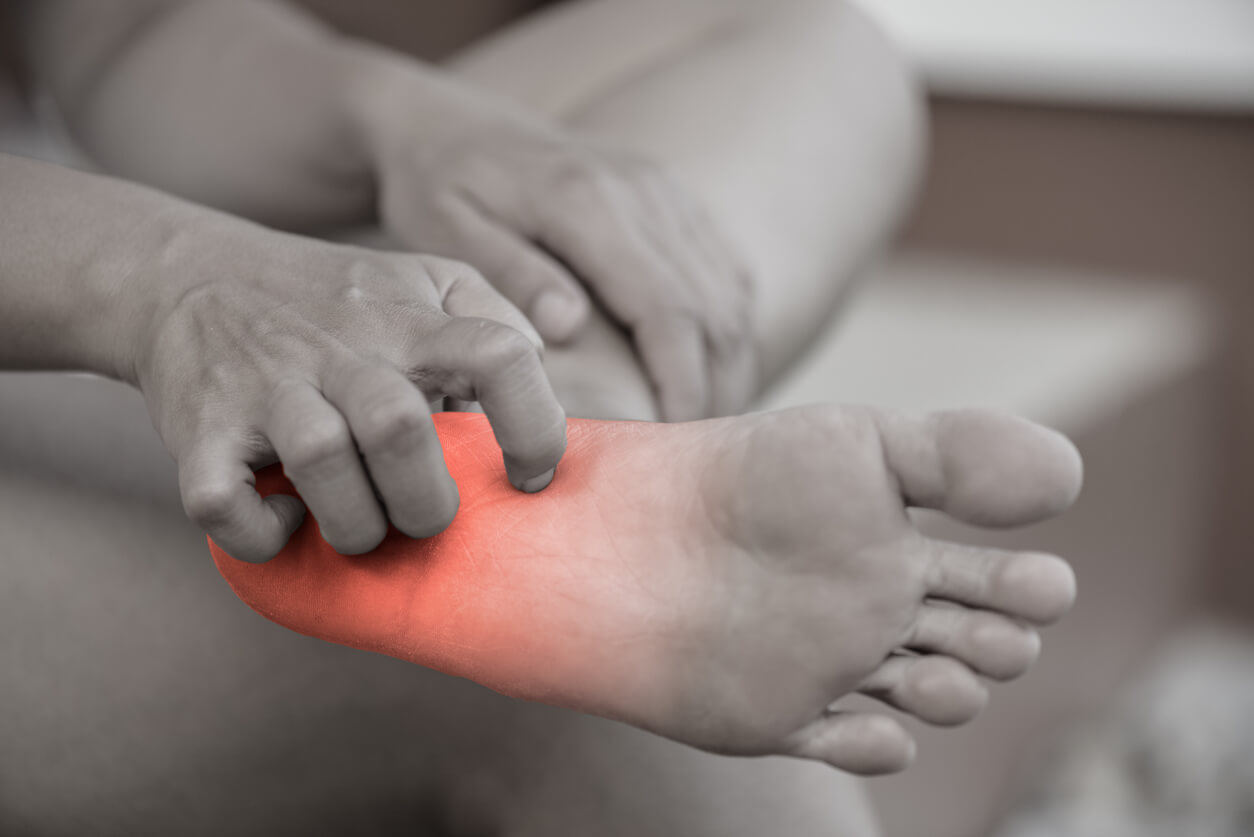
While cold feet can sometimes result from a cold environment, chronically cold feet may indicate peripheral artery disease (PAD), hypothyroidism, or other circulation problems. PAD narrows the arteries, reducing blood flow to limbs, which makes feet feel cold and sometimes numb. People over the age of 50, especially smokers and diabetics, are at higher risk. If left untreated, PAD can lead to critical limb ischemia.

Redness or Purple Discoloration
A persistent reddish or purplish hue in your feet could suggest circulation issues or vascular disease. When blood doesn’t flow efficiently, oxygen cannot reach tissues properly, leading to discoloration. Chronic venous insufficiency can also cause similar symptoms, along with swelling. This condition is often accompanied by varicose veins and may lead to venous ulcers over time. In severe cases, it increases the risk of thrombophlebitis.
Dry, Cracked Skin
Unusually dry or cracked skin on the feet, particularly around the heels, can be a sign of a thyroid condition. Hypothyroidism slows down metabolism and can reduce sweating, leading to dry skin. In diabetics, similar symptoms can also result from autonomic neuropathy. Cracks in the skin may become entry points for bacteria, increasing the risk of cellulitis or other infections.
Sensation and Pain